A Dedicated Anesthesia Group that Meets Your Needs

Patient safety guides our clinical practice. Houston Anesthesia Services provides anesthesia care consistent with applicable American Society of Anesthesiologists standards, including the Basic Standards for Preanesthesia Care, Standards for Basic Anesthetic Monitoring, and Standards for Postanesthesia Care. Anesthesia equipment checks are completed in accordance with manufacturer and facility protocols. Our anesthesiologists are licensed in Texas and credentialed at the facilities they serve. We follow current infection prevention practices and coordinate with each facility on supply and protective equipment requirements.

Houston Anesthesia Services involves patients in decisions about their anesthetic plan, including discussion of options, expected recovery, and questions before the procedure. Clear communication with patients and their families is part of how our anesthesiologists practice. We welcome patient feedback and review it with the facilities we serve as part of ongoing quality improvement.

We work closely with the surgeons and facilities we serve, and we welcome their feedback on communication, coordination, and case flow. Our anesthesiologists exercise independent clinical judgment on every case, while working to support each facility’s schedule and operational needs.

Houston Anesthesia Services uses current anesthesia documentation and information systems to support accurate records and efficient administrative workflow. Where a facility requests it, we coordinate with its EMR so case data reaches the revenue cycle function under a business associate agreement, reducing duplicate entry for facility staff.
We maintain HIPAA administrative, physical, and technical safeguards, including workforce training and written agreements with vendors that handle protected health information.
Our anesthesiologists monitor patients in accordance with ASA standards, including capnography for monitored anesthesia care.
We support environmentally responsible practice through thoughtful agent selection — with anesthetic technique determined by the anesthesiologist based on each patient’s clinical needs.
Our recruiting and credentialing team supports the addition of anesthesiologists and CRNAs to the practices we serve. Our anesthesiologists are board certified or board eligible by the American Board of Anesthesiology and licensed in Texas. Our CRNAs are certified by the NBCRNA and licensed by the Texas Board of Nursing. We provide current provider documentation to each facility and maintain credentialing files that support facility and accreditation requirements.
Our staffing model is built around each facility’s schedule and case mix. Where staffing and volume permit, we aim to assign the same anesthesia provider to a facility across a procedure day, and we follow structured handoff practices when a transition is necessary.
Anesthesia support personnel assist with equipment readiness and supply logistics at the facilities we serve. They work with facility staff to track availability of anesthesia supplies and to flag shortages or back-ordered items early. Patient monitors, defibrillators, and related equipment are maintained on each facility’s biomedical inspection schedule, and we coordinate with facility staff to confirm that documentation is current before cases proceed.
Billing for Houston Anesthesia Services is processed through an affiliated revenue cycle company. Patients with questions about an anesthesia bill can reach a billing representative by phone before or after a procedure, and inquiries are handled directly rather than routed back to the surgical facility’s staff.
Billing personnel are trained in anesthesia coding and claim processing. Where a facility’s EMR supports it, we coordinate data exchange under a business associate agreement to reduce the burden for facility staff.
Protected health information is handled under HIPAA administrative, physical, and technical safeguards.
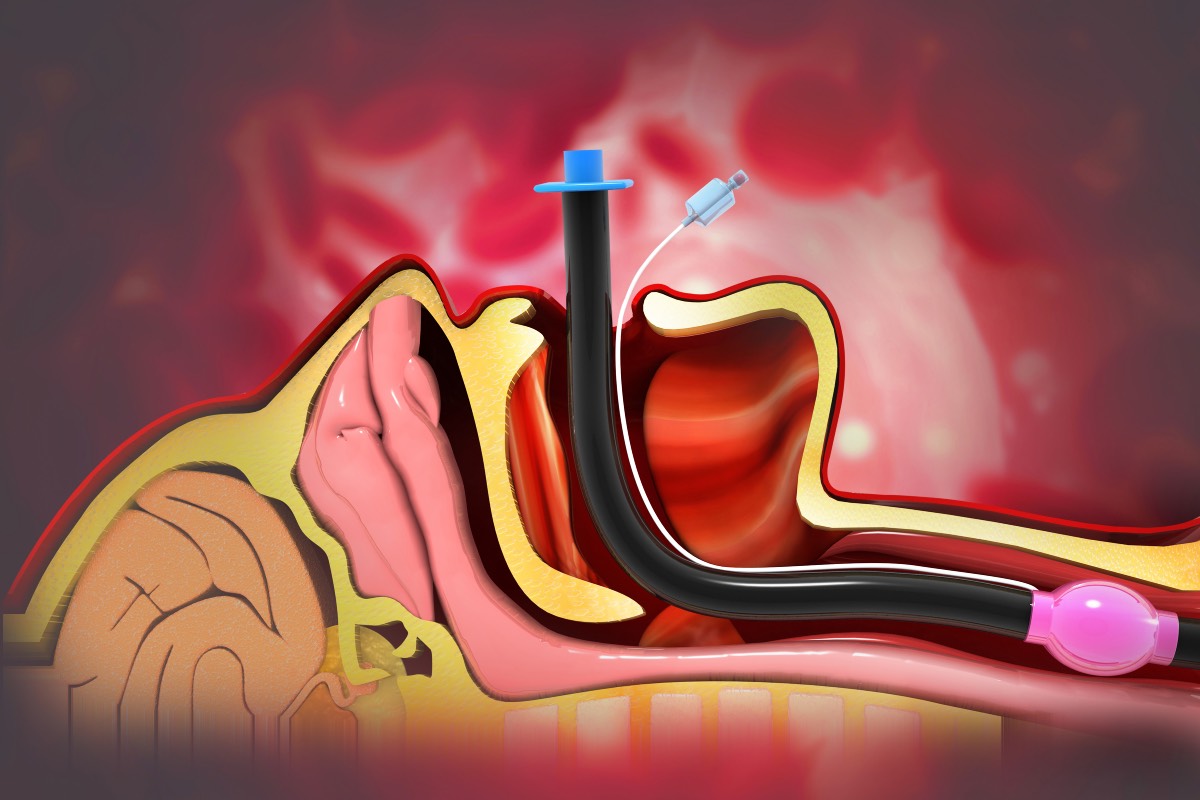
Endotracheal intubation is a life-saving procedure that facilitates control of airflow, can help manage pulmonary complications of disease, and help t
Read More →
Airway management in pediatric patients presents unique challenges and risks compared to adults. Due to anatomical, physiological, and developmental d
Read More →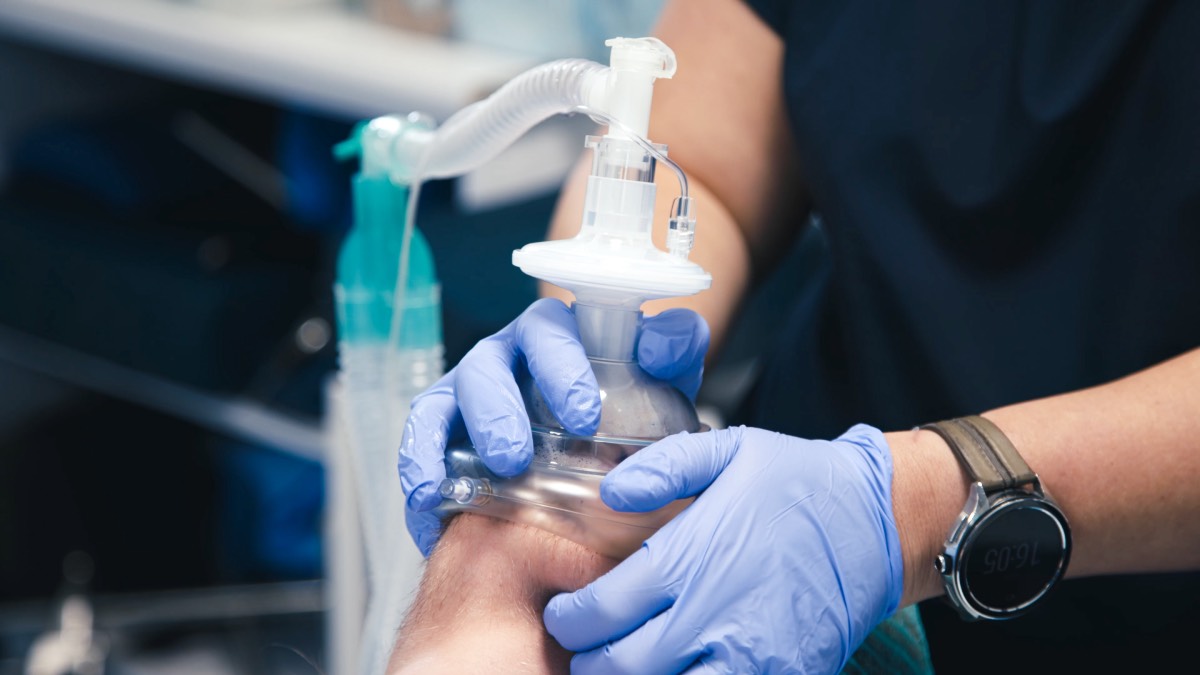
General anesthesia can be maintained using volatile inhalational anesthetics such as sevoflurane or with agents like propofol during total intravenous
Read More →